
Healing the Heart: Love, Gratitude, and the Balance of Yoga and Emotions
Sunil Sharma • September 17, 2025
At Yoganga Healing, we often return to one simple truth — the heart is more than just an organ that keeps us alive. It is also the center of our emotions, our energy, and our inner balance. When the heart feels heavy, life feels heavy too. We may notice restlessness in the mind, tension in the body, or even small struggles in daily life that suddenly feel bigger. The heart is deeply connected to how we feel and how we experience the world around us. A joyful heart brings lightness, peace, and clarity. But when the heart carries pain or unexpressed emotions, it can create stress, sadness, or a sense of being disconnected from ourselves and others.
This is why healing the heart is so important. It is not only about emotional health but also about our overall wellbeing — how we think, how we breathe, how we relate to others, and how we live each day. A healed and open heart allows us to return to our natural state of love, balance, and peace.
What Does Healing the Heart Mean?
Healing the heart does not mean avoiding emotions or forcing ourselves to “be positive.” It means understanding emotions as movements of life energy. When we feel sadness, anger, or even deep love, the body responds with changes in breath, heartbeat, and energy flow. These shifts are natural. But problems begin when we suppress emotions — holding them inside instead of allowing them to move. Over time, this creates:
- Tension in the chest and throat
- Overthinking and sleeplessness
- Anxiety and restlessness
- A feeling of emotional heaviness
Healing the heart begins when we stop fighting emotions and start acknowledging them with awareness.
The Heart and the Mind Connection
Emotions always begin in the body. First, there are physical changes — in the belly, chest, or throat. If we don’t allow expression, this energy rises into the thinking mind, creating endless doubts and inner chatter.
We may ask ourselves:
“Why am I feeling this way?”,
“Should I speak up or stay quiet?”,
“What if people don’t understand me?”
This cycle of thoughts leaves us tired and disconnected. The heart contracts, and the mind becomes restless. Over time, this creates a loop where the mind controls the heart, instead of the heart guiding the mind. True healing comes when we learn to bring attention back to the heart and body, instead of being lost in thoughts. In that simple shift of awareness, both the mind and the heart begin to find peace again.
Yoga and Healing the Heart
At Yoganga Healing, we see emotions not just as mental or physical changes, but also as energetic shifts. Every emotion carries pranic movement — a flow of life energy. If this energy is blocked, it creates heaviness and imbalance.
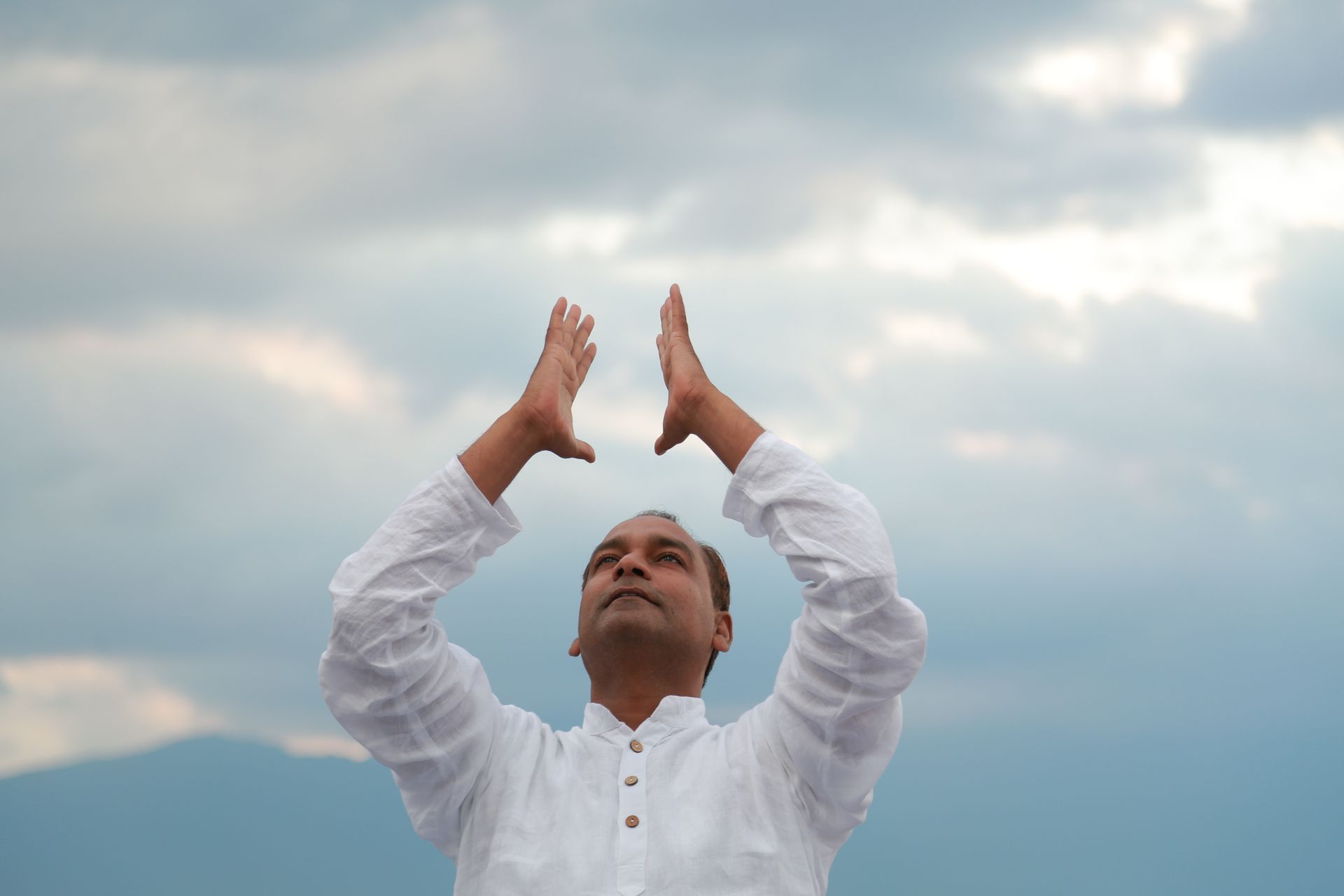
Yoga practices such as asana (postures), breathwork, and gentle chest-opening movements help release this energy. Simple practices like Parvatasana (raised arms pose), Gomukhasana (cow-face pose), or gentle heart-opening stretches expand the chest, relax the diaphragm, and allow emotions to move freely.
These postures are not only physical exercises — they are a way to reconnect with the subtle heart energy, creating space for healing and inner balance. Even taking a few moments to stretch your arms in the morning or gently open your chest after a stressful meeting can help release trapped emotions and bring calmness to your day.
Gratitude: The Key to Heart Healing
One of the most powerful ways to heal the heart is gratitude. Gratitude softens the heart, opens space for acceptance, and reminds us of all the blessings already present in our lives. When we practice gratitude, the heart becomes lighter, calmer, and more open. When we pause and take a small moment to feel thankful — for our body, for loved ones, for nature, or simply for the gift of life itself — shifts our focus from what is missing to what is already here. In this relaxed state of awareness, the heart finds peace, and emotional healing flows naturally.
Gratitude is like a gentle light — the more we embrace it, the more it brightens the heart, filling our inner world with warmth, balance, and quiet joy.
Love as a Healing Force for the Heart
Love is also one of the most natural ways to heal the heart. And love is not just about couples — it can be the love of a parent for a child, the care we feel for a friend, the kindness we share with strangers, or even the love we hold for nature and life itself. When we feel love in any form, the heart becomes light and open. Love reduces stress, calms the mind, and fills us with strength.
Spiritually, love is said to be the highest energy — it melts away fear, anger, and loneliness. Every small act of giving or receiving love helps the heart to heal. It reminds us that we are all connected, and that the heart is meant to expand, not contract. Love, along with gratitude and awareness, creates deep peace and joy in the heart.
Why Healing the Heart Matters
In today’s busy world, many of us carry heavy hearts without even realizing it. We may feel overthinking, restlessness, tension in the chest, or difficulty sleeping. Small worries — about work, relationships, or daily life — can pile up, and if we keep holding emotions inside, they affect not only our mind but also our body.
Healing the heart is about gently noticing these feelings, without judgment, and allowing the natural flow of energy to move freely. When we learn to connect with our heart, we can:
- Release stress and emotional blockages that weigh us down
- Feel calmer and sleep better, as the mind quiets
- Experience a deeper connection with ourselves and with the people around us
- Open our hearts to love — not only romantic love, but the love we feel for family, friends, nature, and even strangers — letting kindness and compassion flow naturally
- Receive the gentle love and healing energy of the universe, allowing it to fill, soothe, and uplift the heart
- Cultivate inner strength, peace, and a gentle warmth that radiates from within
Conclusion
It is not about being perfect or having all answers. It is about being present with our emotions, gentle with ourselves, and allowing the energy of life and love — both from within and from the universe — to flow through us. Even small moments — like taking a few mindful breaths, feeling gratitude, or stretching gently — can gradually heal, lighten, and expand the heart.
By caring for the heart in this way, we bring balance not only to our emotions but also to our daily life. The heart becomes a source of love, clarity, and calmness, guiding us through each day with ease, connection, and presence.
Healing the heart is a journey of awareness, yoga, and gratitude. It is about listening deeply, allowing emotions to move, and filling the heart with love and light.
FAQs
1. What does it mean to “heal the heart”?
Healing the heart means releasing emotional blockages, allowing energy to flow freely, and creating balance between body, mind, and emotions.
2. How is the heart connected to emotions in yoga?
Yoga teaches that emotions are not only physical or mental but also energetic. Practices that open the chest and regulate breath help release suppressed energy and restore balance.
3. Can healing the heart reduce stress and overthinking?
Yes. By reconnecting with the heart through breath, yoga, and awareness, we release suppressed emotions. This naturally reduces anxiety, overthinking, and stress.
4. Is healing the heart only about emotions?
No. It is also about energy. Emotions create both physical changes and energetic shifts. Healing happens when we work with the body, mind, and subtle flow of prana (life energy).
5. How can gratitude and yoga together heal the heart?
Gratitude opens the heart, while yoga creates space in the body and chest for energy to move. Together, they bring deep peace, acceptance, and healing.
6. How does love heal the heart?
Love, in any form — care for family, friendship, compassion, or connection with nature — helps the heart to open, reduces stress, and brings balance.
New Paragraph
Discover More Articles



Ready to Begin Your Healing Journey?
Discover Peace—Spaces Fill Quickly, So Reserve Today